


About Chyhyryn National Historical and Cultural Reserve
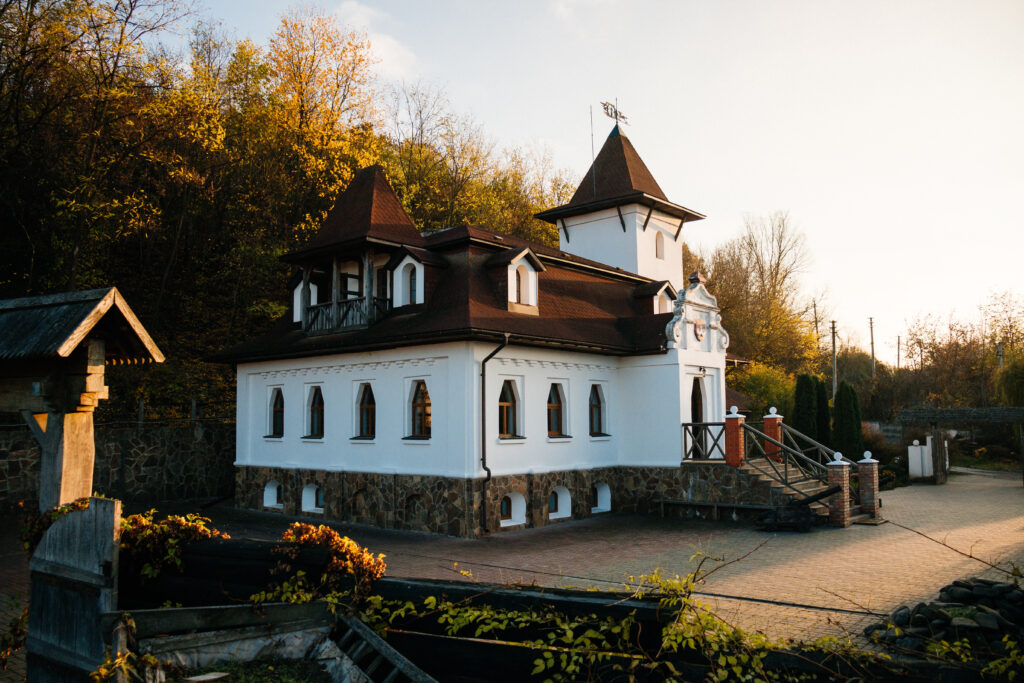
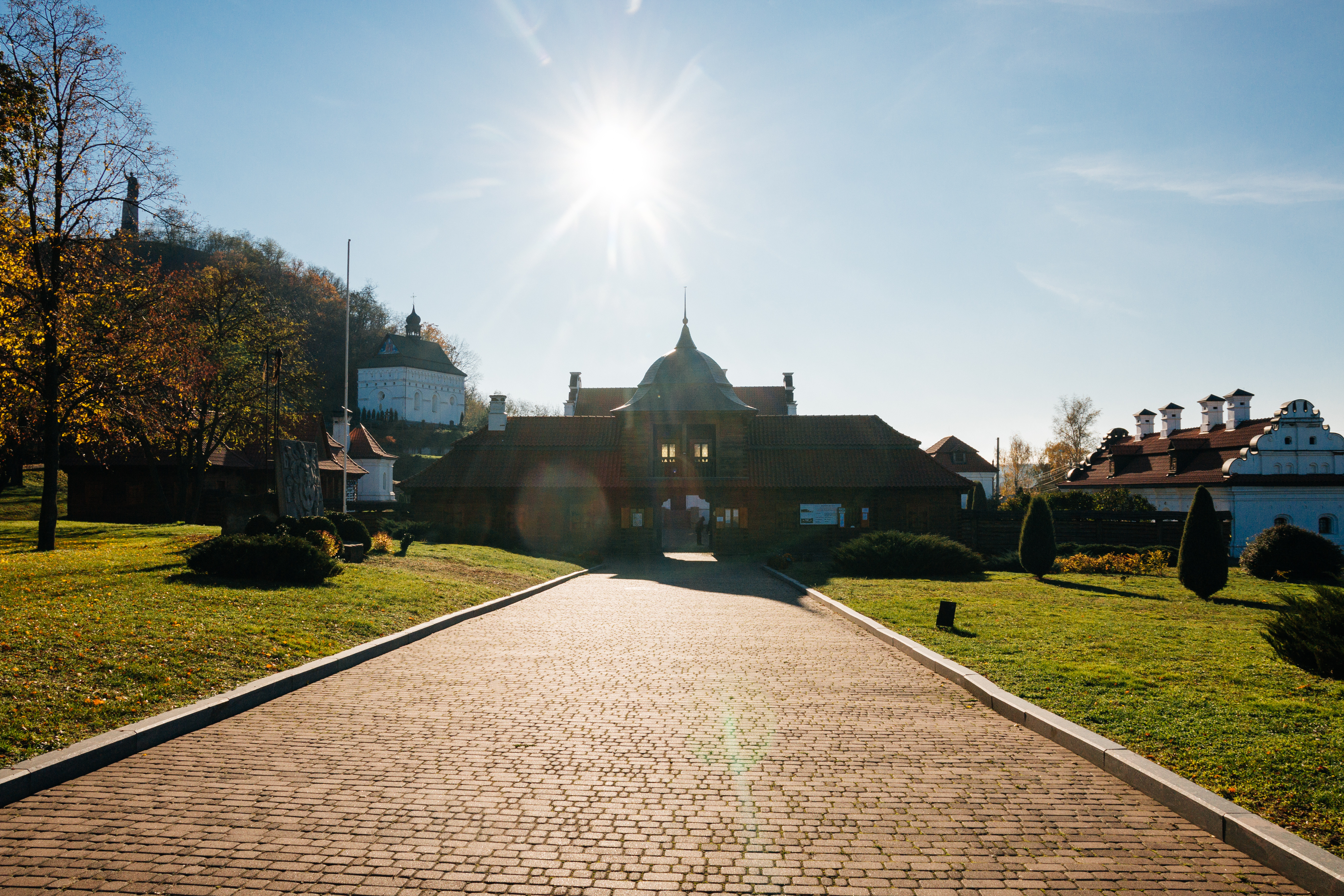
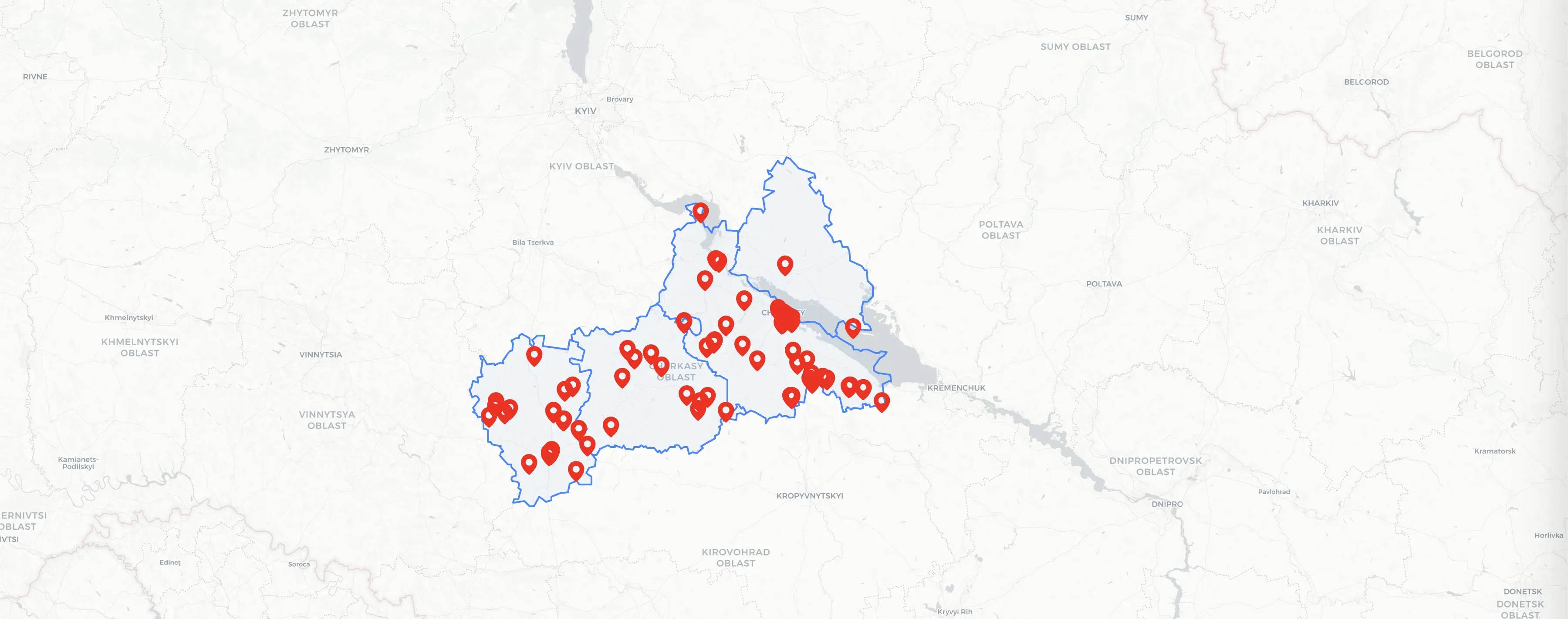
The National Historical and Cultural Reserve “Chyhyryn” was established on March 7, 1989, according to the Resolution of the Council of Ministers of the Ukrainian SSR No. 77 “On declaring the complex of historical, cultural and natural monuments of Chyhyryn, Subotova village and Kholodnyi Yar tract in Cherkasy region as a State Historical and Cultural Reserve” with the aim of studying, preserving and reproducing the national cultural heritage and natural monuments of one of the unique regions of Ukraine – Chyhyryn district. Its further development was determined by the Resolution of the Cabinet of Ministers of Ukraine of May 19, 1992, No. 254 “On the Chyhyryn State Historical and Cultural Reserve”. On September 23, 1995, the President of Ukraine granted the reserve the status of National Reserve. The total area of the reserve is 1161.7 hectares. It consists of 5 museums, 34 historical, archeological, architectural, and natural monuments of Chyhyryn, the villages of Subotova, Stetsivka, Medvedivka, and the Kholodnyi Yar tract. The historical and cultural potential of the reserve is unique. It has preserved monuments of different times. These include the Motronynske settlement of Scythian times (UP-IV centuries BC), one of the largest in Eastern Europe, and settlements of the late Bronze and early Iron Age of the Chornolis and Zarubynets cultures.
Chyhyryn and Subotiv are associated with the formation of the statehood of the Ukrainian people. Chyhyryn was the first capital of Ukraine in the time of Hetman Bohdan Khmelnytsky. It was the residence of the great hetman. Subotiv is his family estate, where the Church of St. Elijah, built by order of the hetman in 1653, is located. He was buried there in 1657. Chyhyryn district was one of the centers of the Haidamak movement. The Motronynsky Monastery in Kholodnyi Yar played a key role in the Haidamak uprising, the Koliyivshchyna, which spread across large areas of Right-Bank Ukraine. In the fifth half of the nineteenth century, the villages of the region became the center of peasant uprisings that went down in history as the Chyhyrynska Republic, the center of the struggle for Ukrainian statehood – the Kholodny Yar Republic. during the First World War, partisan groups fought against the Nazi invaders here. The nature of the protected zones of the Chyhyryn National Park is rich. It includes the territories of Kholodnyi Yar with the thousand-year-old oak tree of Maksym Zalizniak in Buda village, Three Wells in Subotiv village and Maksym Zalizniak’s well in Medvedivtsi village, and natural landscape areas in Stetsivtsi village.
There are no reviews yet. Be the first to share your experience!